Loudspeaker Enclosure Modeling with Simscape Acoustics
R2026bThis example shows how to model different loudspeaker enclosure types using the Simple Acoustic Enclosure and Ported Acoustic Enclosure blocks from the Simscape™ Acoustics library.
Introduction to Loudspeaker Enclosures
A loudspeaker enclosure is a cabinet that houses the driver and controls the acoustic interaction between the front and back radiation of the diaphragm. The enclosure type has a significant impact on the frequency response, efficiency, and low-frequency extension of the loudspeaker system.
The Simscape Acoustics library provides two fundamental building blocks for modeling enclosures:
Simple Acoustic Enclosure - Models a sealed volume of air behind the driver. The enclosed air acts as a spring (acoustic compliance), restricting diaphragm motion and raising the system resonant frequency.
Ported Acoustic Enclosure - Models a volume of air with a port (tube) that opens to the outside. The port introduces a mass of air (acoustic inductance) that creates a Helmholtz resonance, extending the low-frequency response below the driver's natural resonance.
By combining these two blocks in different configurations relative to the front and back of the driver, a wide range of enclosure topologies can be constructed. The nine enclosure types presented in this example illustrate how varying the number of chambers, ports, and radiators produces different frequency response characteristics.
Infinite Baffle
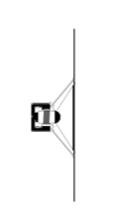
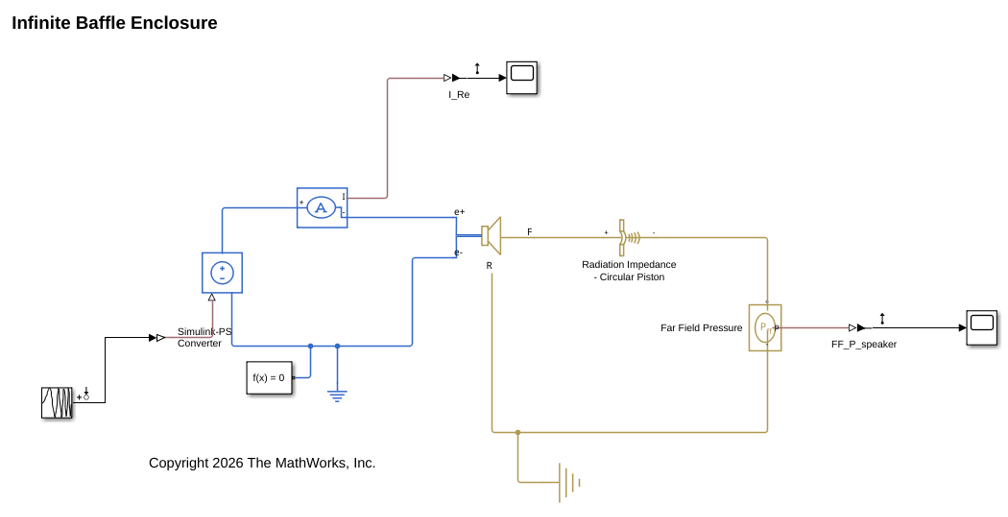
The infinite baffle configuration refers to a setup where the sound produced from the back of the driver is entirely isolated, preventing it from interfering with the sound emitted from the front. This represents an ideal scenario. A practical example that closely approximates this is when the driver is mounted in a wall or ceiling.
model = "infiniteBaffleEnclosure";
open_system(model);
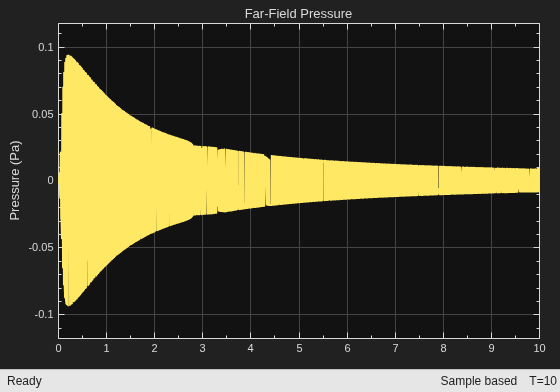
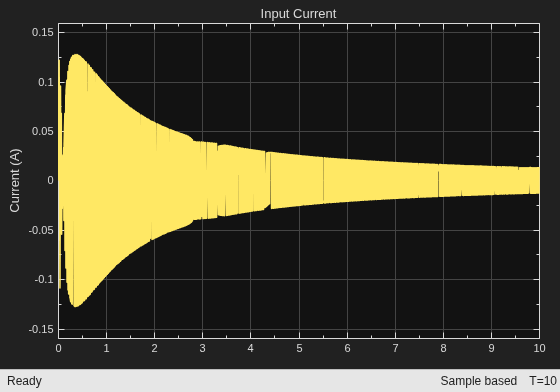
sim(model,10);
close_system(model,0)
Closed Box
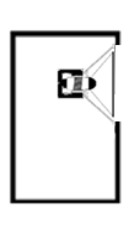
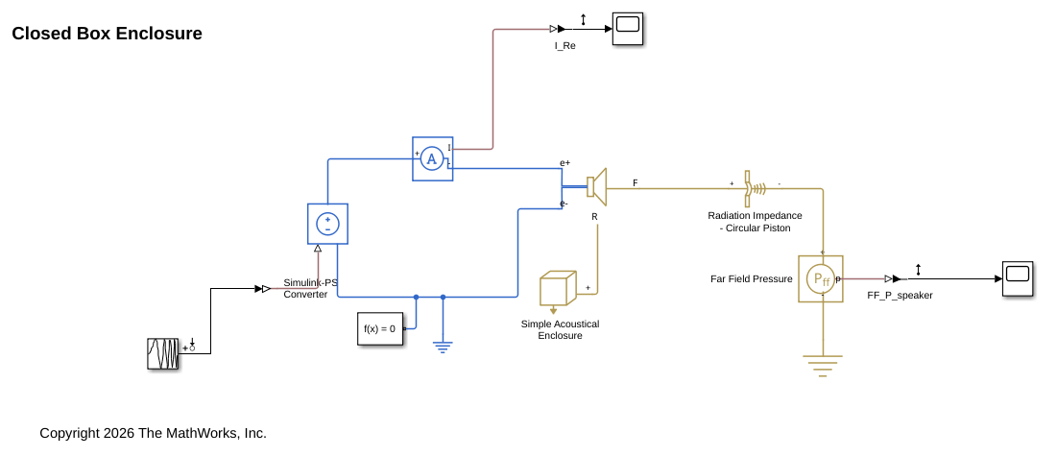
A closed box is a straightforward design that completely encloses the driver using a Simple Acoustic Enclosure block connected to the rear of the driver. This setup restricts the movement of the driver, making it stiffer and resulting in a resonant frequency that is higher than the driver's specified free-air resonance.
model = "closedBoxEnclosure";
open_system(model);
close_system(model,0)
Ported Box (Bass Reflex)
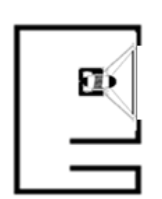
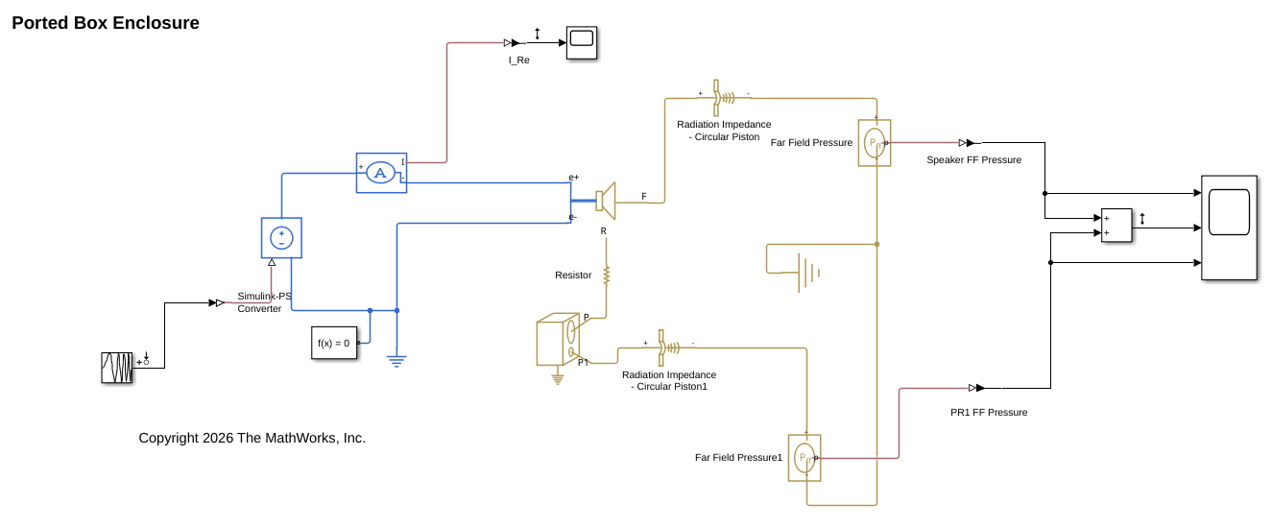
The ported box features a tube-like structure that opens the rear of the driver to the outside, modeled with a Ported Acoustic Enclosure block. Compared to a sealed box, this design is less stiff, which can result in a lower resonant frequency. The port's resonance frequency should be tuned so that it is lower than the driver-box resonance.
model = "portedBoxEnclosure";
open_system(model);
close_system(model,0)
Passive Radiator
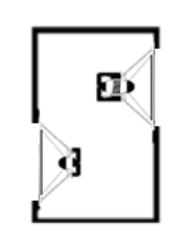
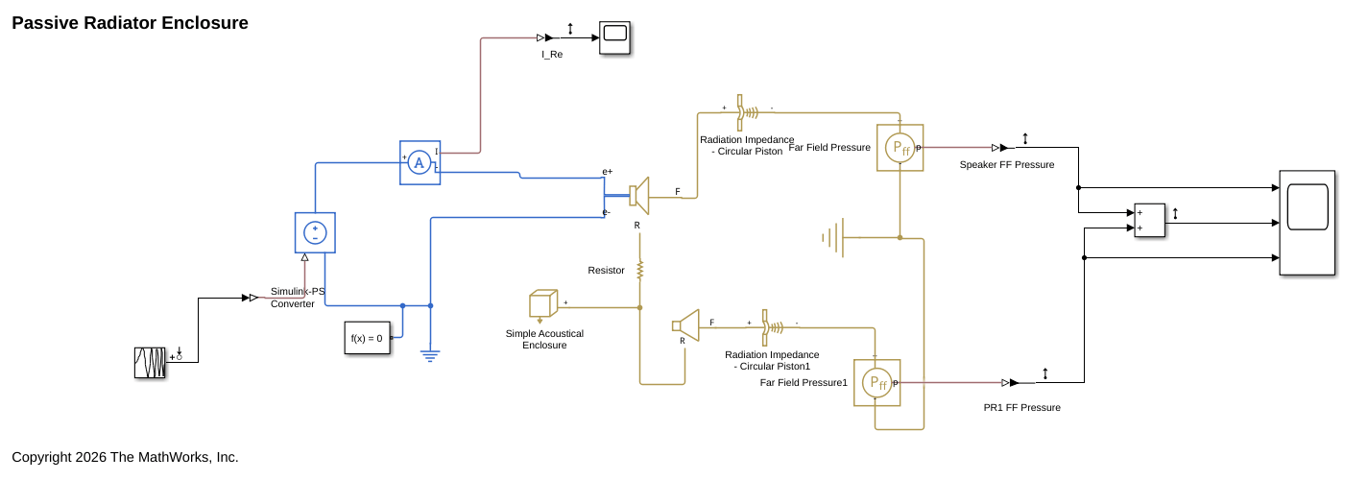
A passive radiator is similar to a loudspeaker driver except that it has no electrical element. It is similar to a port except that it has no outlet. The passive radiator replaces the port in a bass reflex design, using a mass-spring system to achieve similar low-frequency extension without the need for a physical vent.
model = "passiveRadiatorEnclosure";
open_system(model);
close_system(model,0)
4th Order Bandpass
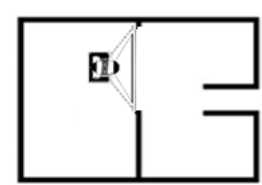
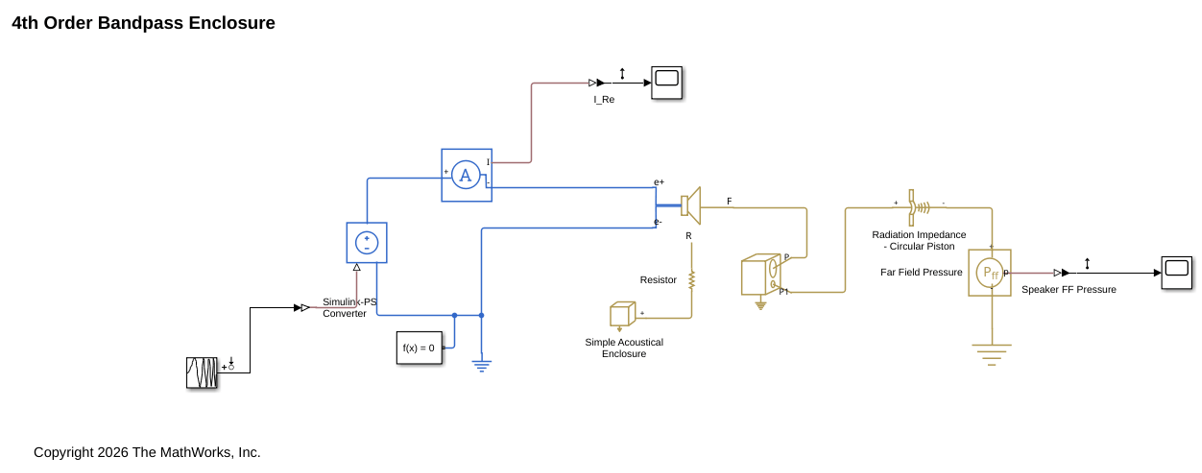
The 4th order bandpass has a closed box (Simple Acoustic Enclosure) in the back of the driver and a box with a port (Ported Acoustic Enclosure) in the front of the driver. The bandpass box can extend the low-frequency response of the driver beyond its rated value. Sound is emitted only through the port, providing a naturally bandpass-filtered output.
model = "fourthOrderBandpassEnclosure";
open_system(model);
close_system(model,0)
4th Order Bandpass with Passive Radiator
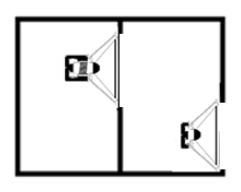
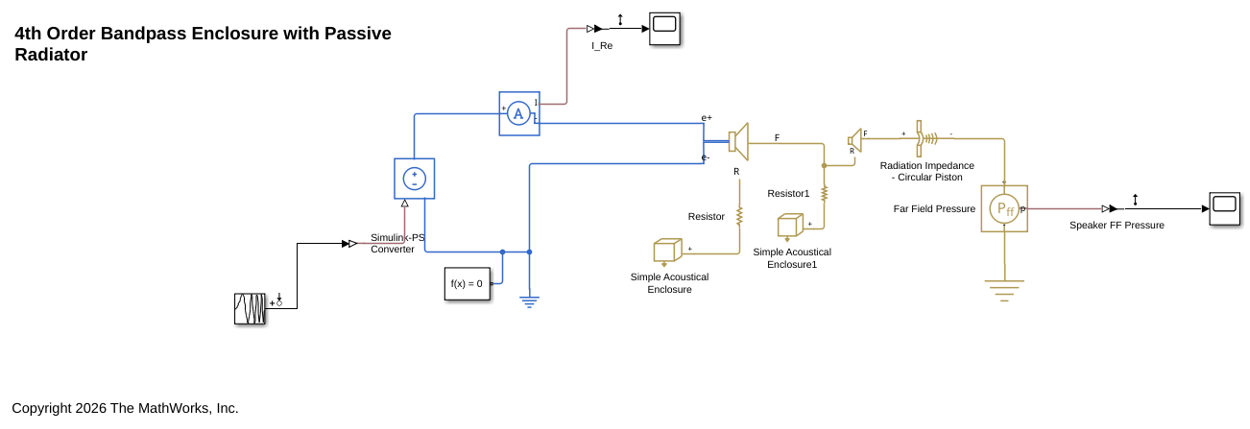
The 4th order bandpass with passive radiator has a closed box in the back of the driver and a box with a radiator in the front of the driver. This is similar to the standard 4th order bandpass, but replaces the port with a passive radiator for potentially smoother response characteristics.
model = "fourthOrderBandpassRadiatorEnclosure";
open_system(model);
close_system(model,0)
6th Order Bandpass Type 2
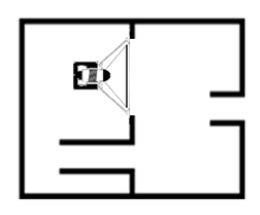
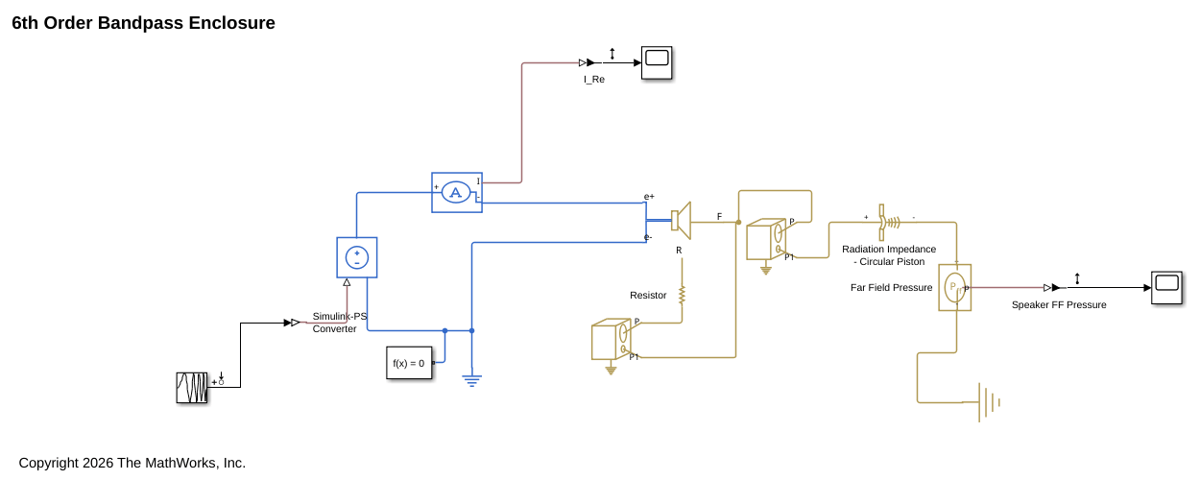
A 6th order bandpass enclosure with a single internal port features a port that opens into the front chamber, while the front chamber's port opens to the outside. This type of bandpass box can extend the driver's low-frequency response beyond its original rated capability, with a steeper rolloff than the 4th order design.
model = "sixthOrderBandpassType2Enclosure";
open_system(model);
close_system(model,0)
6th Order Bandpass Type 3
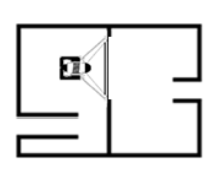
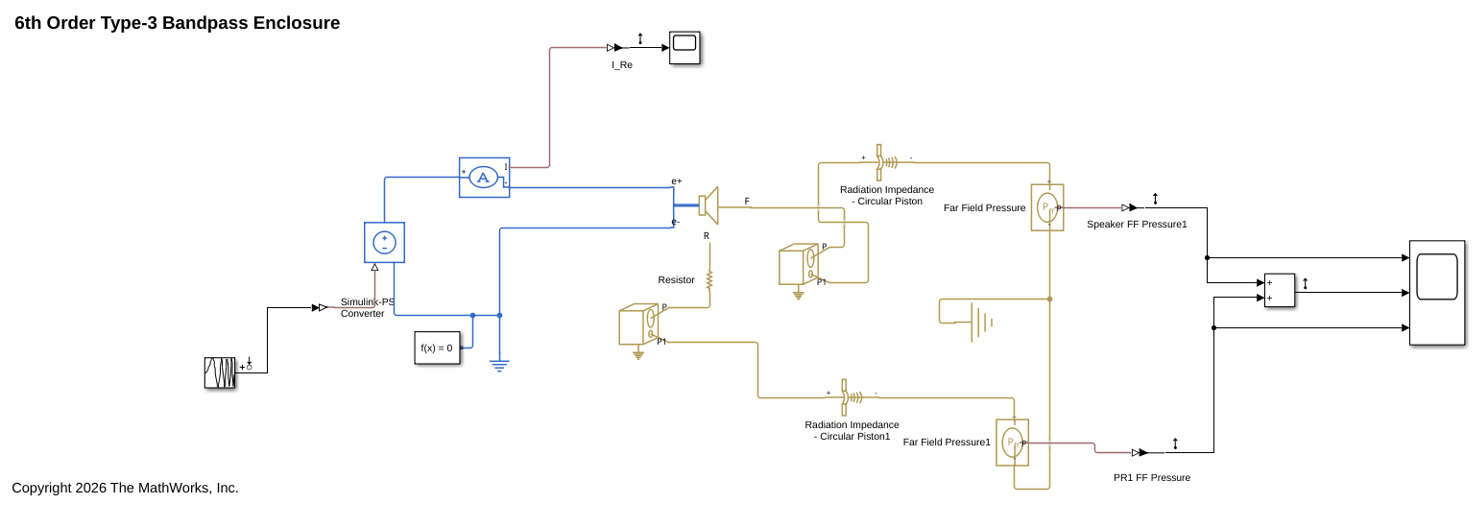
This 6th order bandpass enclosure features a rear chamber with a port that opens to the outside behind the driver, as well as a front chamber with its own port that also vents externally. This design can extend the driver's low-frequency response beyond its original rated capability and offers additional tuning flexibility compared to Type 2.
model = "sixthOrderBandpassType3Enclosure";
open_system(model);
close_system(model,0)
Dual-Chamber Bandpass (Double Tuned Bass Reflex)
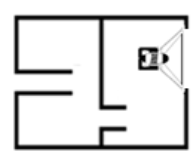
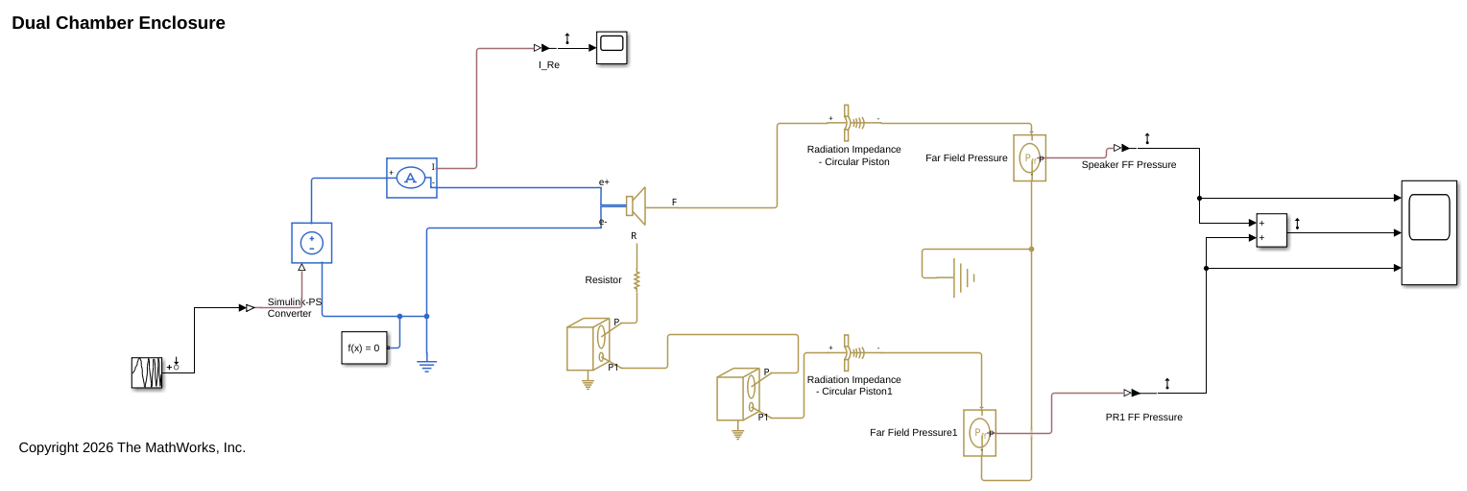
The dual-chamber bandpass enclosure features a rear chamber with a port that leads into a second chamber, which in turn has its own port that opens to the outside. This configuration creates a double-tuned system with two Helmholtz resonances, enabling extended bandwidth and flatter response within the passband.
model = "dualChamberEnclosure";
open_system(model);
close_system(model,0)
Copyright 2026 The MathWorks, Inc.
See Also
Moving Coil Speaker | Passive Radiator | Ported Speaker Enclosure | Simple Acoustic Enclosure | Circular Piston Radiation Impedance

