Computer Vision
Apply deep learning to computer vision applications by using Deep Learning Toolbox™ together with the Computer Vision Toolbox™.
Apps
| Image Labeler | Label images for computer vision applications |
| Video Labeler | Label video for computer vision applications |
| Object Detector Analyzer | Interactively visualize and evaluate object detection results against ground truth (Since R2026a) |
Functions
Topics
Object Detection and Instance Segmentation
- Get Started with Object Detection Using Deep Learning (Computer Vision Toolbox)
Perform object detection using deep learning neural networks such as YOLOX, YOLO v4, RTMDet, and SSD. - Get Started with Instance Segmentation Using Deep Learning (Computer Vision Toolbox)
Segment objects using an instance segmentation model such as SOLOv2 or Mask R-CNN. - Choose an Object Detector (Computer Vision Toolbox)
Compare object detection deep learning models, such as YOLOX, YOLO v4, RTMDet, and SSD. - Augment Bounding Boxes for Object Detection (Computer Vision Toolbox)
This example shows how to perform common kinds of image and bounding box augmentation as part of object detection workflows. - Import Pretrained ONNX YOLO v2 Object Detector
This example shows how to import a pretrained ONNX™ (Open Neural Network Exchange) you only look once (YOLO) v2 [1] object detection network and use the network to detect objects. - Export YOLO v2 Object Detector to ONNX
This example shows how to export a YOLO v2 object detection network to ONNX™ (Open Neural Network Exchange) model format. - Deploy Object Detection Model as Microservice (MATLAB Compiler SDK)
This example shows how to create a microservice Docker® image from a MATLAB® object detection model.
Automated Visual Inspection
- Getting Started with Anomaly Detection Using Deep Learning (Computer Vision Toolbox)
Anomaly detection using deep learning is an increasingly popular approach to automating visual inspection tasks. - Detect Image Anomalies Using Explainable FCDD Network (Computer Vision Toolbox)
Use an anomaly detector to distinguish between normal pills and pills with anomalous chips or contamination. - Localize Industrial Defects Using PatchCore Anomaly Detector (Computer Vision Toolbox)
Perform localization of anomalous defects in printed circuit boards (PCBs) using anomaly heat maps generated with the PatchCore anomaly detector. - Classify Defects on Wafer Maps Using Deep Learning (Computer Vision Toolbox)
Classify manufacturing defects on wafer maps using a simple convolutional neural network (CNN). - Detect Image Anomalies Using Pretrained ResNet-18 Feature Embeddings (Computer Vision Toolbox)
Train a similarity-based anomaly detector using one-class learning of feature embeddings extracted from a pretrained ResNet-18 convolutional neural network.
Semantic Segmentation
- Get Started with Semantic Segmentation Using Deep Learning (Computer Vision Toolbox)
Segment objects by class using deep learning networks such as U-Net and DeepLab v3+. - Augment Pixel Labels for Semantic Segmentation (Computer Vision Toolbox)
This example shows how to perform common kinds of image and pixel label augmentation as part of semantic segmentation workflows. - Semantic Segmentation Using Dilated Convolutions
This example shows how to train a semantic segmentation network using dilated convolutions. - Semantic Segmentation of Multispectral Images Using Deep Learning (Computer Vision Toolbox)
This example shows how to perform semantic segmentation of a multispectral image with seven channels using U-Net. - Explore Semantic Segmentation Network Using Grad-CAM
This example shows how to explore the predictions of a pretrained semantic segmentation network using Grad-CAM. - Generate Adversarial Examples for Semantic Segmentation (Computer Vision Toolbox)
Generate adversarial examples for a semantic segmentation network using the basic iterative method (BIM). - Prune and Quantize Semantic Segmentation Network
Reduce the memory footprint of a semantic segmentation network and speed-up inference by compressing the network using pruning and quantization.
Image and Video Classification
- Train Vision Transformer Network for Image Classification
This example shows how to fine-tune a pretrained vision transformer (ViT) neural network to perform classification on a new collection of images. - Human Activity Recognition Using R(2+1)D Video Classification (Computer Vision Toolbox)
Train an R(2+1)D video classifier for activity recognition. - Gesture Recognition using Videos and Deep Learning (Computer Vision Toolbox)
Train a SlowFast convolutional neural network for gesture recognition using RGB data from videos.
Featured Examples
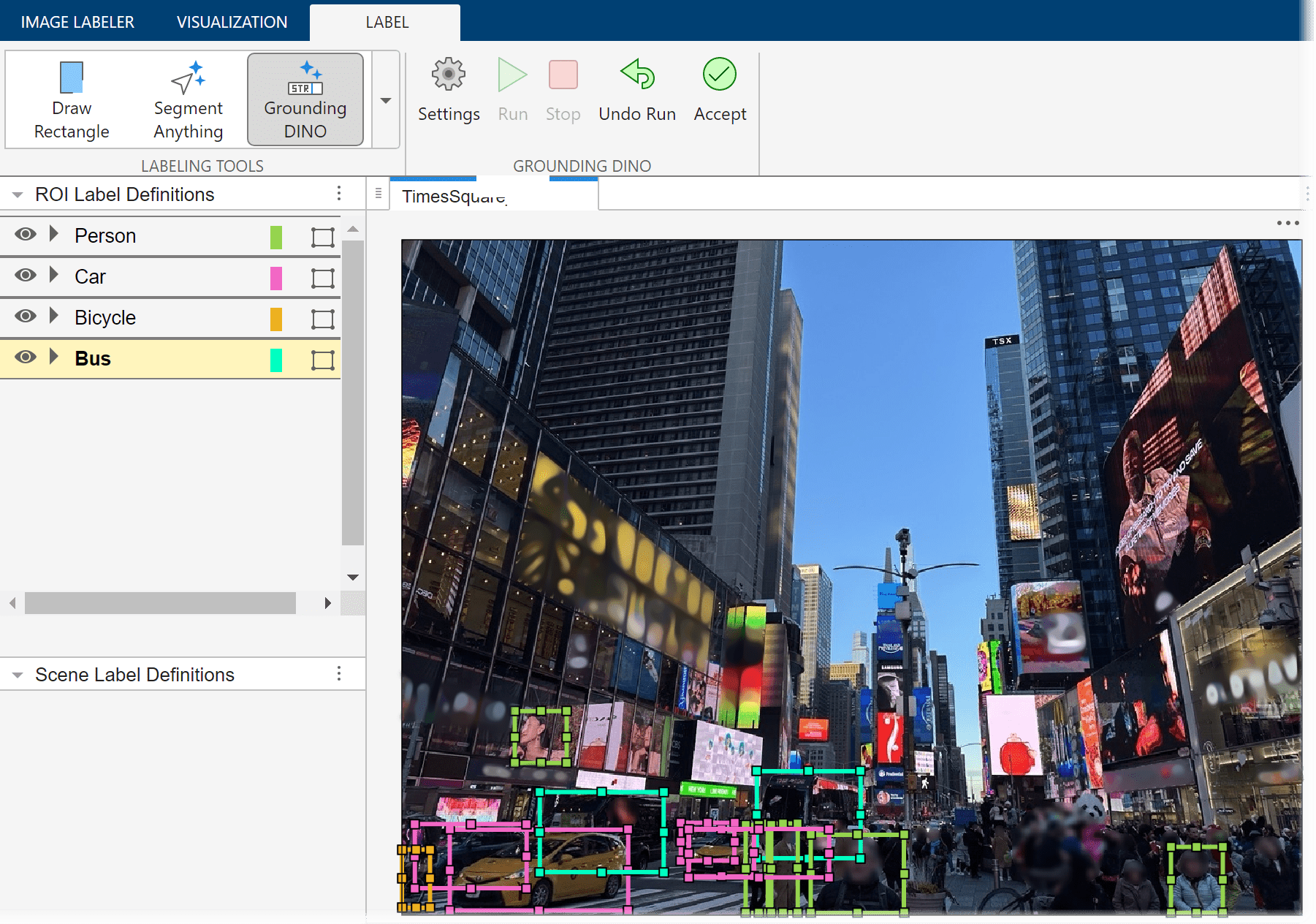
Automatically Label Ground Truth Using Vision-Language Model
Automatically label ground truth images for object detection using the Grounding DINO vision-language model (VLM).
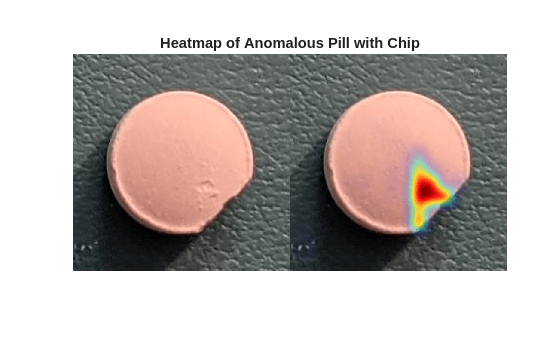
Detect Industrial Defects Using Zero-Shot AnomalyCLIP
Detect and localize industrial production defects in pill images using an AnomalyCLIP anomaly detection network.

Identify Defects in Air Compressors Using Spectrogram Images
Detect and localize defects in acoustic recordings of air compressors using Mel spectrogram images and an EfficientAD anomaly detector.
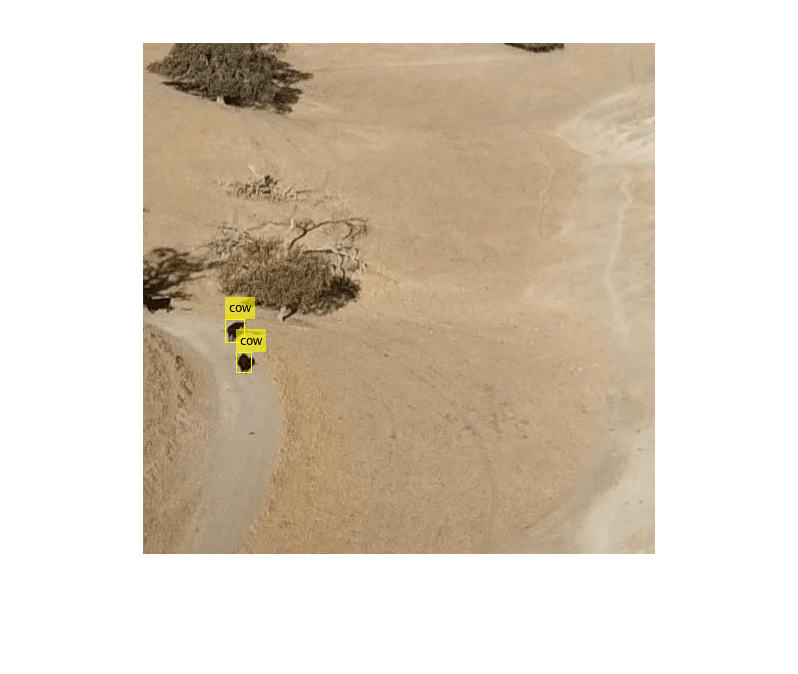
Detect Small Objects Using Tiled Training of YOLOX Network
Detect small objects in full-resolution images using tiled training of a you only look once version X (YOLOX) deep learning network.
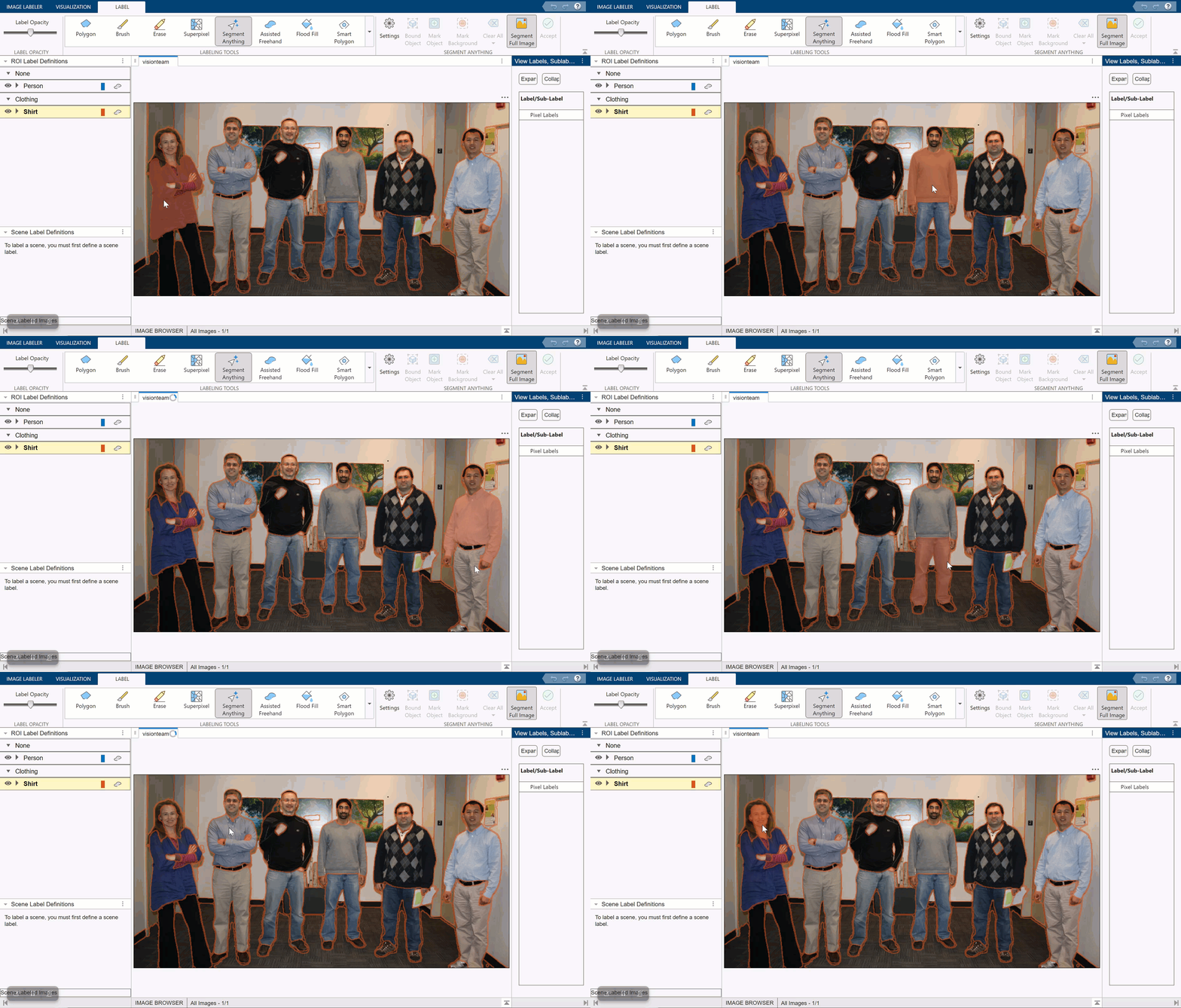
Automatically Label Ground Truth Using Segment Anything Model
Produce pixel labels for semantic segmentation using the Segment Anything Model (SAM) in the Image Labeler app. The SAM is an automatic segmentation technique that you can use to segment object regions to label with just a few clicks, or automatically segment the entire image and instantaneously create labels for selected regions. In this example, you interactively label pixels for semantic segmentation in two ways.

Multiclass Object Detection Using YOLO v2 Deep Learning
Train a YOLO v2 multiclass object detector and evaluate object detector performance across selected classes and overlap thresholds.

Detect Defects Using Tiled Training of EfficientAD Anomaly Detector
Detect and localize defects on anomalous chewing gum images by training an EfficientAD anomaly detection network on tiled normal images.
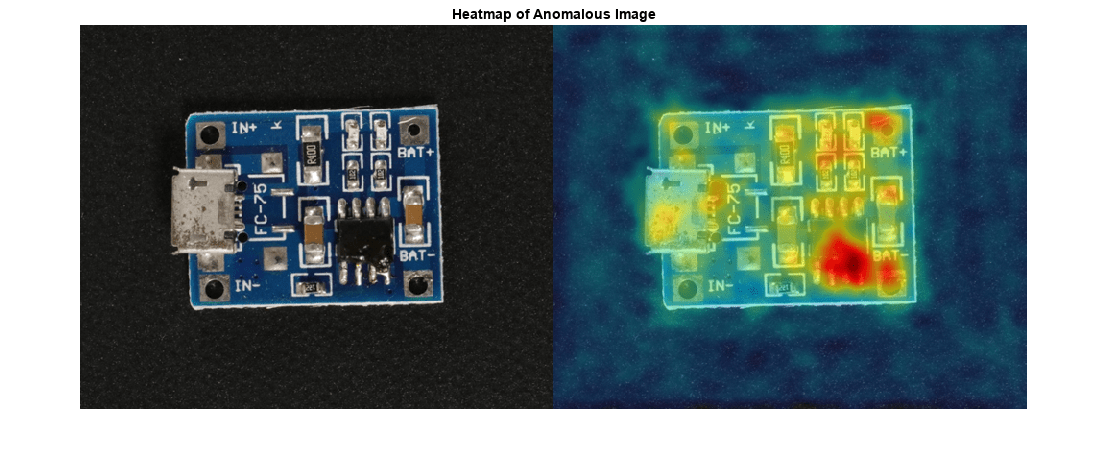
Localize Industrial Defects Using PatchCore Anomaly Detector
Perform localization of anomalous defects in printed circuit boards (PCBs) using anomaly heat maps generated with the PatchCore anomaly detector.
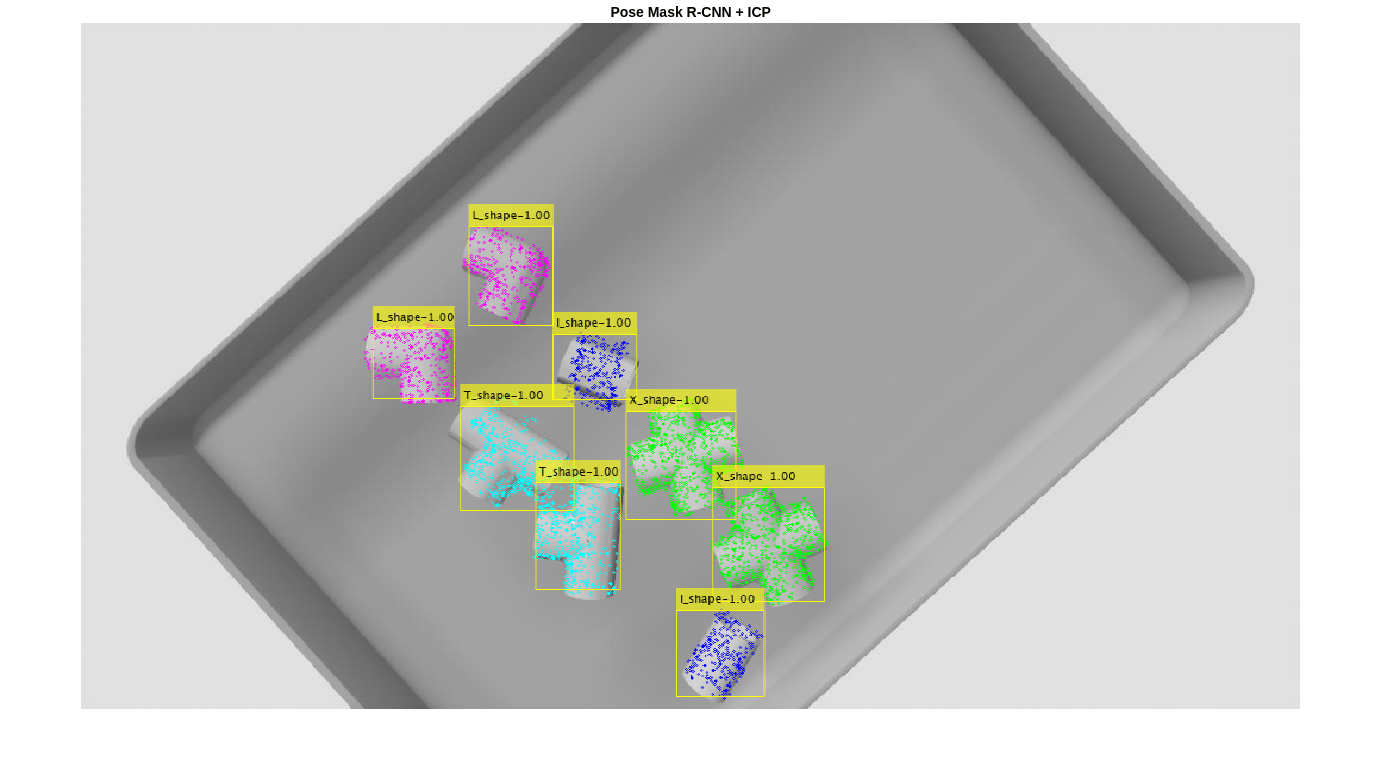
Perform 6-DoF Pose Estimation for Bin Picking Using Deep Learning
Perform six degrees-of-freedom (6-DoF) pose estimation by estimating the 3-D position and orientation of machine parts in a bin using RGB-D images and a deep learning network.
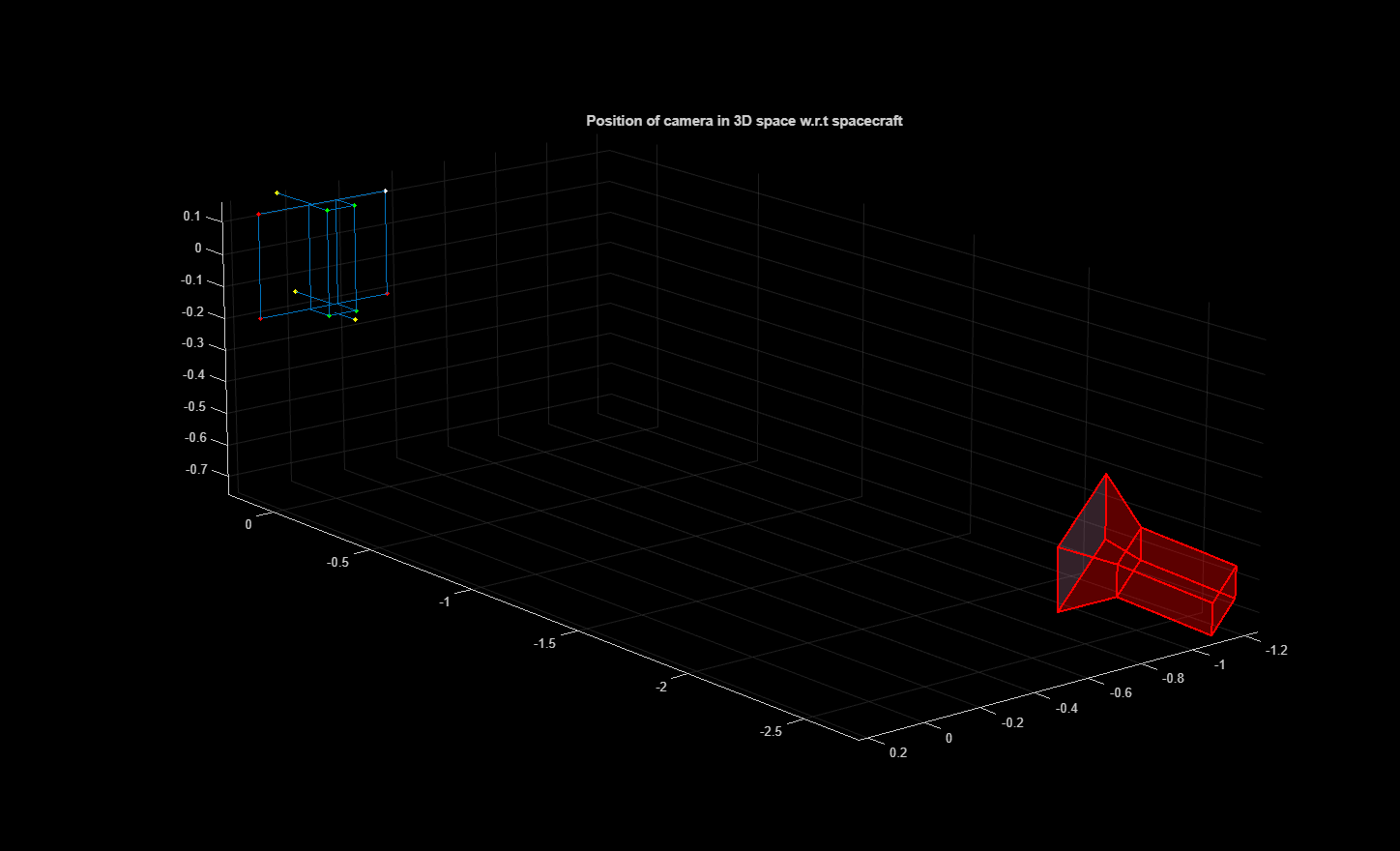
Spacecraft Pose Estimation Using HRNet Keypoint Detector and PnP Solver
Estimate keypoints and pose of spacecraft.
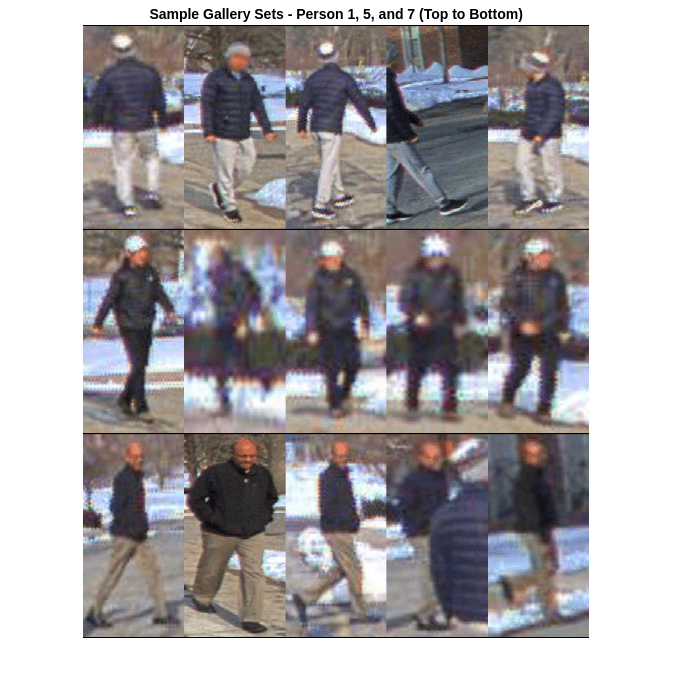
Reidentify People Throughout a Video Sequence Using ReID Network
Track people throughout a video sequence using re-identification with a residual network.
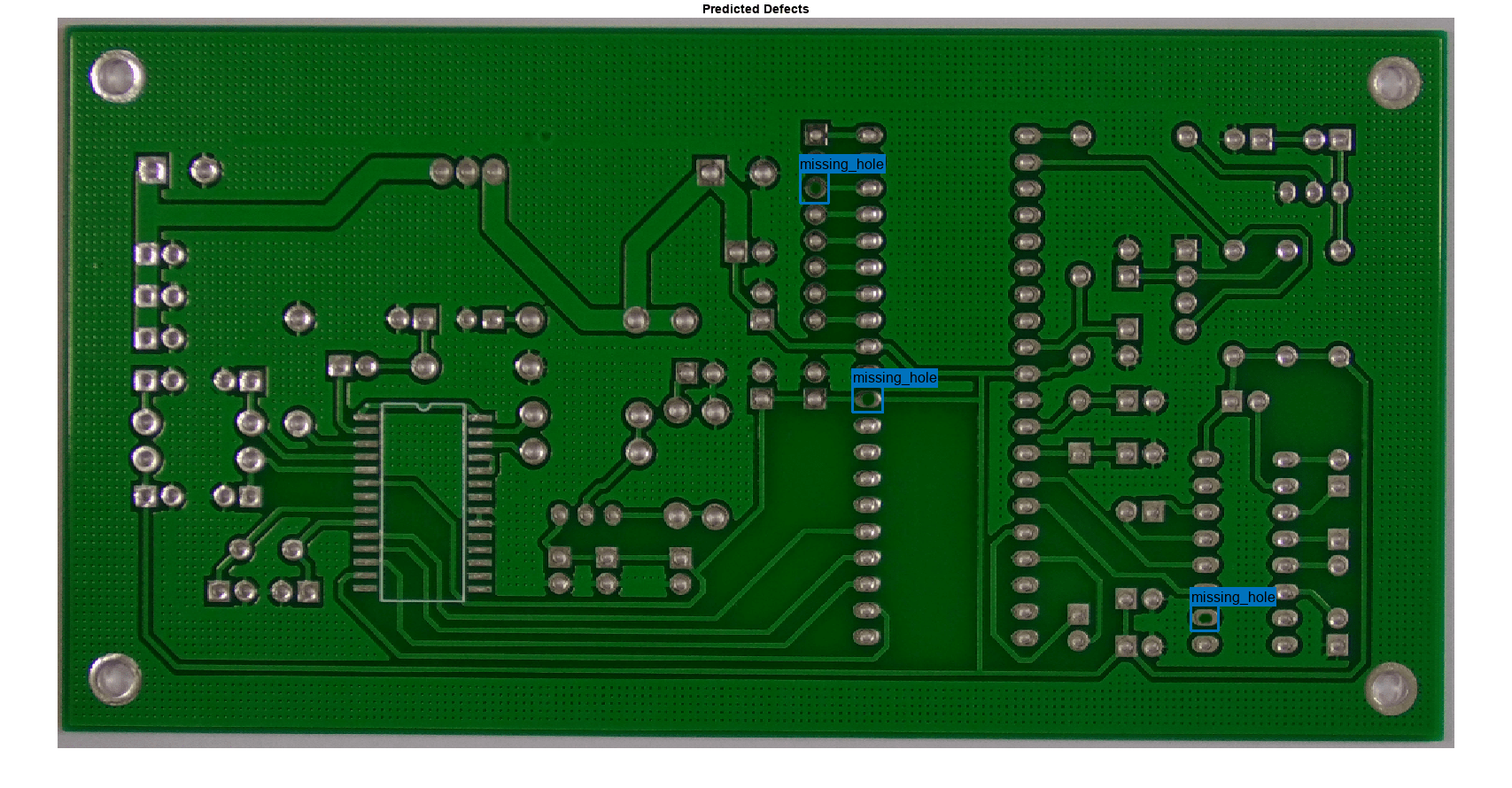
Detect Defects on Printed Circuit Boards Using YOLOX Network
Detect, localize, and classify defects in printed circuit boards (PCBs) using a you only look once version X (YOLOX) deep learning network.
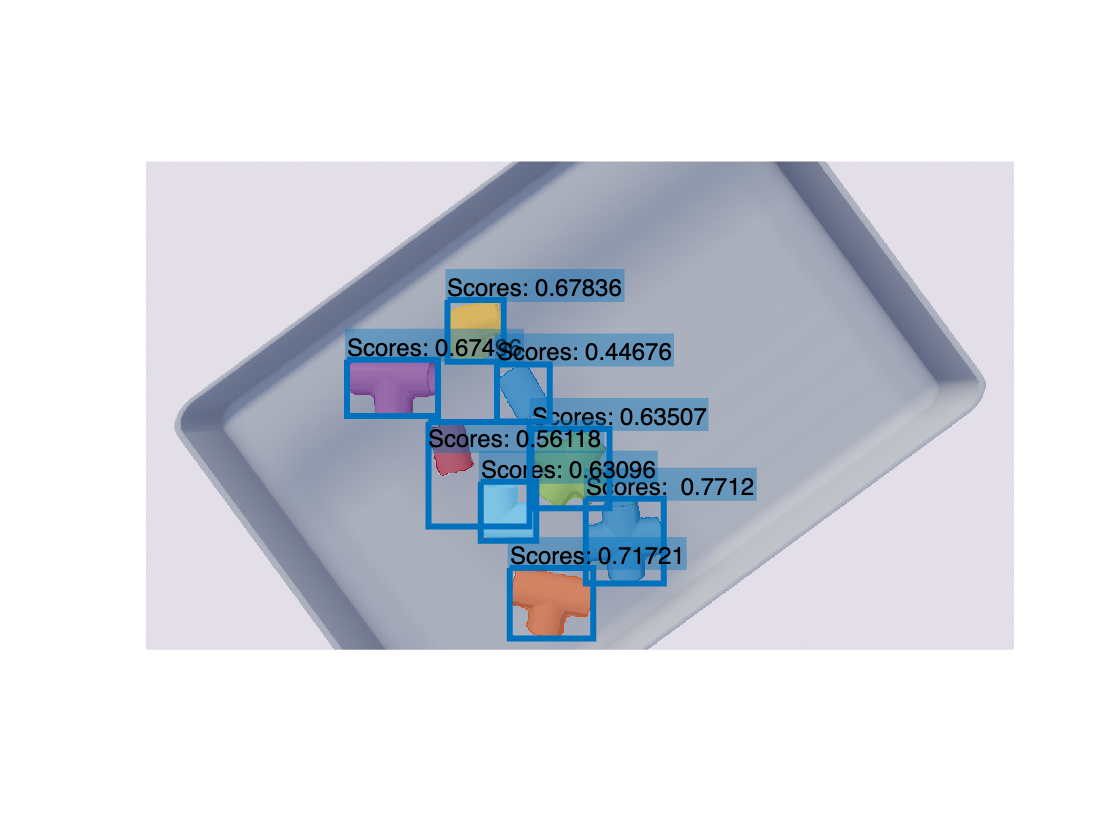
Perform Instance Segmentation Using SOLOv2
Segment object instances of randomly rotated machine parts in a bin using a deep learning SOLOv2 network.
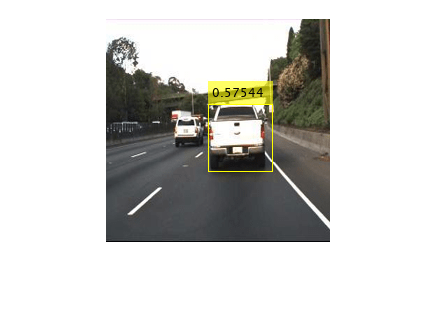
Object Detection Using YOLO v2 Deep Learning
Train an object detector using a "you-only-look-once" (YOLO) v2 deep learning technique.
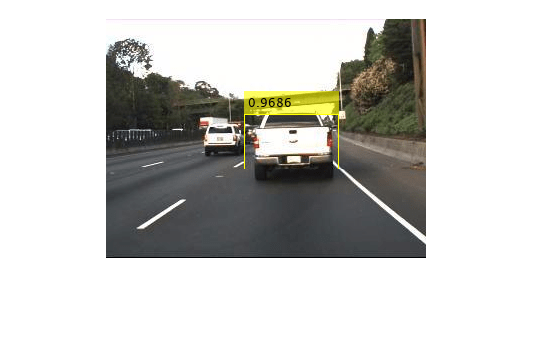
Object Detection Using YOLO v4 Deep Learning
Detect objects in images using you only look once version 4 (YOLO v4) deep learning network. In this example, you will
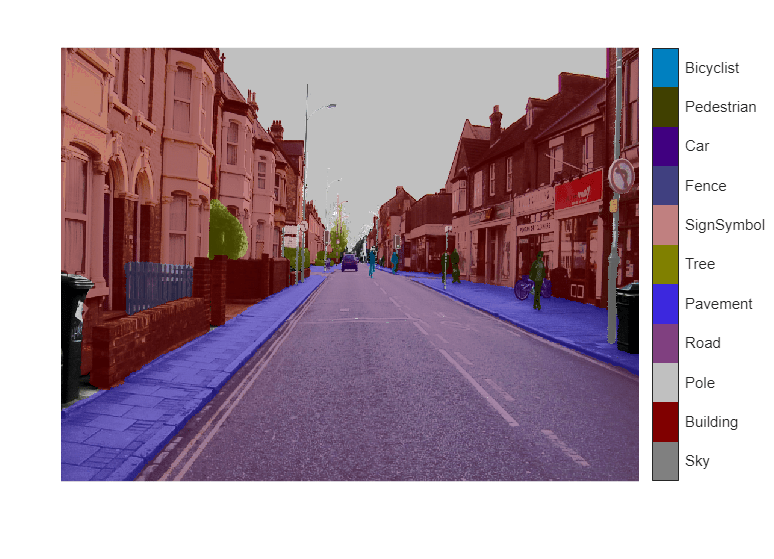
Semantic Segmentation Using Deep Learning
Segment an image using a semantic segmentation network.
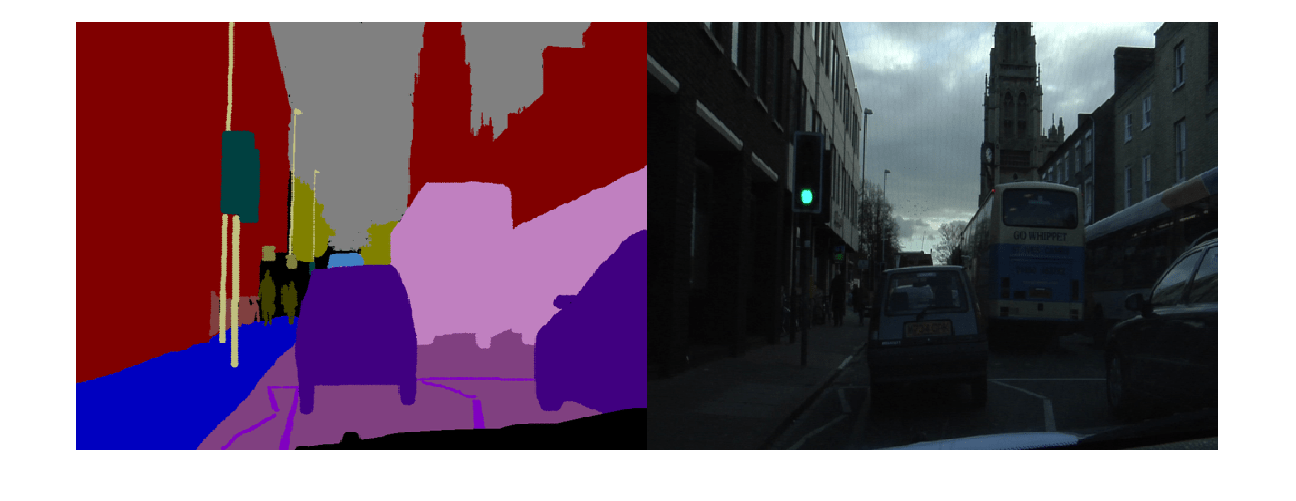
Generate Image from Segmentation Map Using Deep Learning
Generate a synthetic image of a scene from a semantic segmentation map.
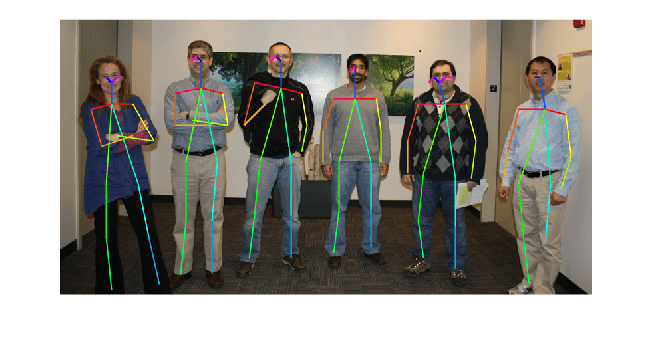
Estimate Body Pose Using Deep Learning
Estimate the body pose of one or more people using the OpenPose algorithm.
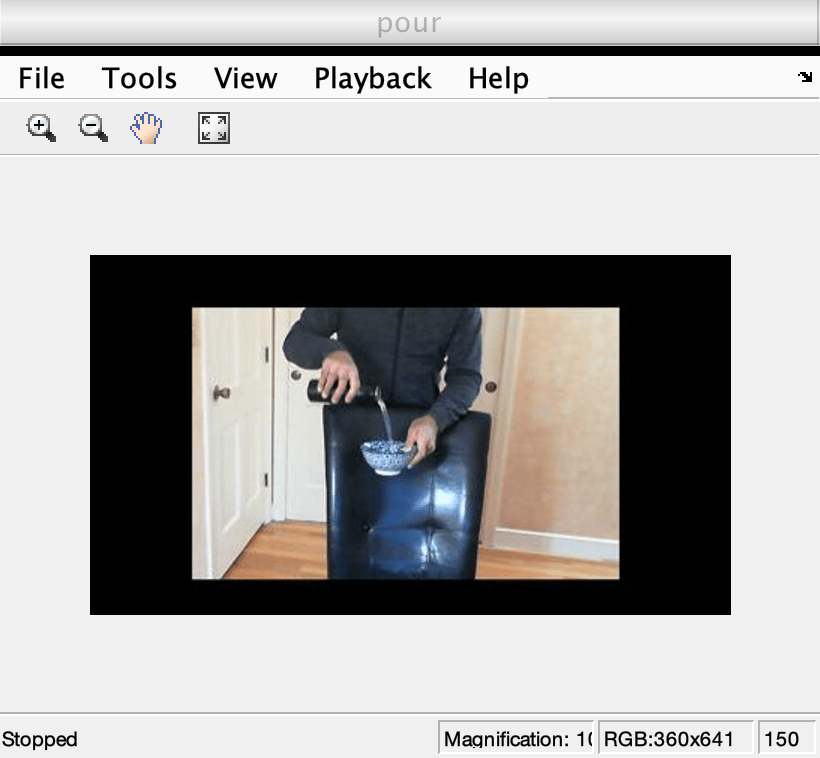
Human Activity Recognition Using R(2+1)D Video Classification
Train an R(2+1)D video classifier for activity recognition.
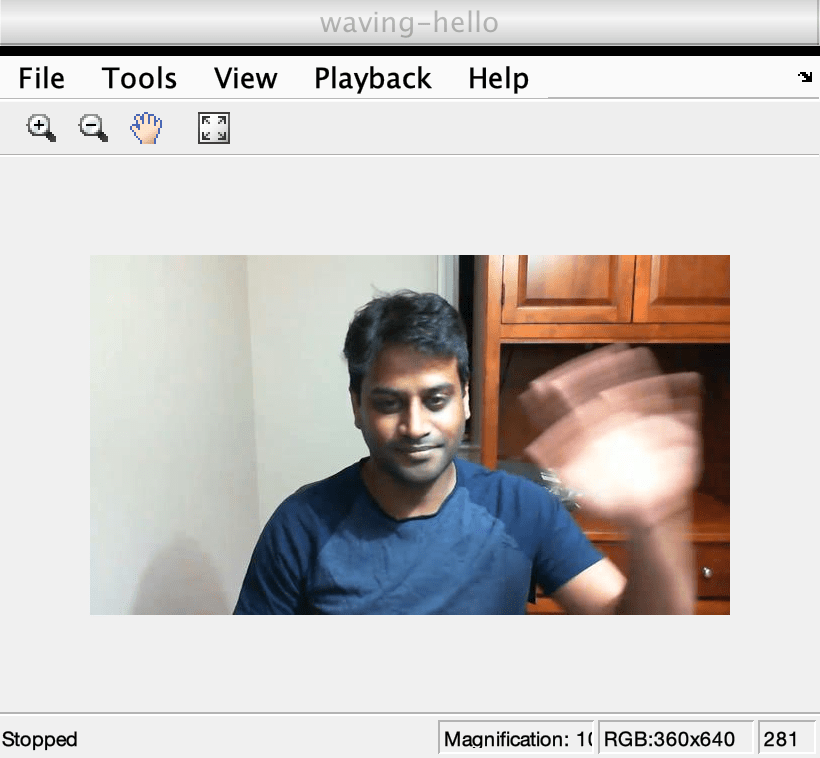
Gesture Recognition using Videos and Deep Learning
Train a SlowFast convolutional neural network for gesture recognition using RGB data from videos.

